Why are you mad?

Không đơn thuần là một cuốn sách, ebook Chuyện Về Thấu Cảm…

Why are you mad?

By Ngan Tran – The New Leaders

A colleague yelled at you for a reason that wasn’t your fault, and you had to swallow your anger, or you might have chosen to react and get angry.

When you calmly reflect, you could have handled the situation better!

🤔 So, What Happened Inside You to Lead to Those Emotions and Actions?

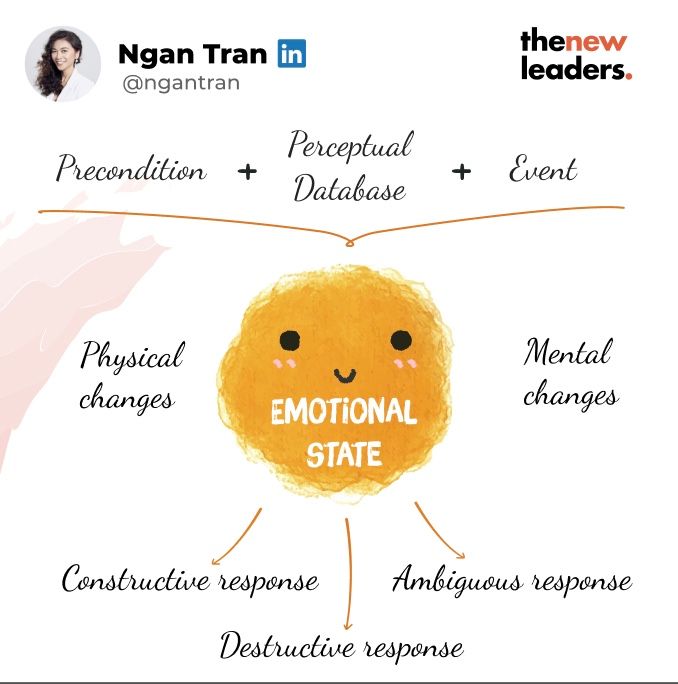
To control your emotions, you need to know how emotions are formed in your body.
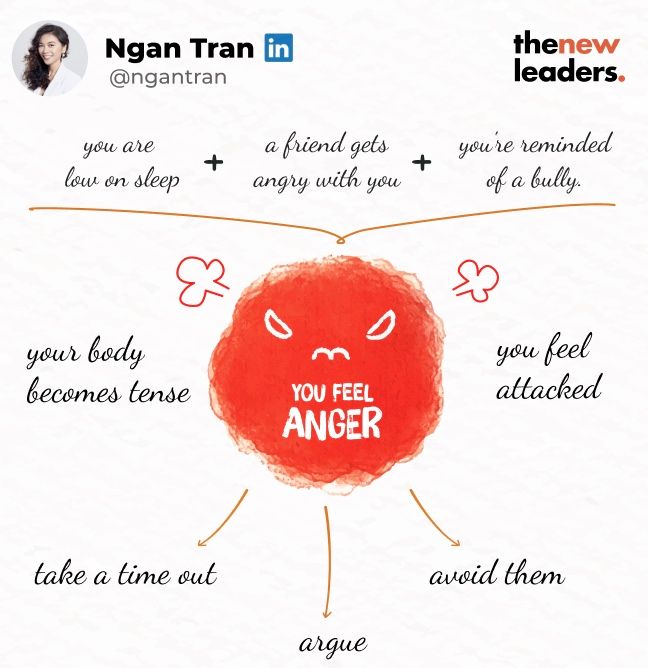
First: the “triggers” for emotions (3 factors)

  • Your physical state at that moment
  • What happened at that moment
  • Your worldview (often influenced by past experiences)

4E4824C7-47CC-4FAD-BA03-3B861CD65D45.jpeg

The night before, you didn’t get enough sleep 🥱 (your physical state at that moment), and at work, a colleague yelled at you for something that wasn’t your fault 😤 (what happened), reminding you of past experiences of being bullied 😢 (your worldview – influenced by past experiences) -> you got angry 😡

Step 2: Your Emotional Experience:
You will feel the manifestations of changes in your body (you feel your whole body tense up – when you start getting angry), along with changes in your emotions (you feel attacked).

Step 3: Your Reaction
From these emotional experiences, your reaction is immediate. There are common ways we usually choose to respond such as:

Getting angry and reacting,
Trying to suppress it,
Or avoiding these uncomfortable emotions, acting as if nothing happened.
_Which way do you usually choose to respond?
_
5C27182F-A56C-4E54-9F6C-83CB28609685.jpeg

This entire chain of emotional reactions from the “trigger” to the action can happen within a few minutes and is the result of a series of small emotional waves (a few seconds) connecting with each other.

When we understand the chain of reactions that form emotions, you will know how to influence which steps in this chain to change/control your emotions.


Discover Your Inner Leadership Skills with Emotional Intelligence

Are you ready to unlock your true potential and lead with confidence? Join me, Ngan Tran and The New Leaders, as we guide you through the journey of discovering and harnessing your core values using the power of Emotional Intelligence (EQ).

With my background in the Harvard Executive Leadership Program and a Master’s in Executive Leadership Coaching, I specialize in EQ leadership training, communication, and effective leadership development. I’m dedicated to helping you achieve personal and professional excellence.

Let’s embark on this transformative journey together! Shall we?

Get weekly EQ tips to boost your career

Micromanagers – Are you one of them?

Không đơn thuần là một cuốn sách, ebook Chuyện Về Thấu Cảm…

Micromanagers – Are you one of them?

By Ngan Tran – The New Leaders

“Oh man, my boss is so picky and critical. It’s like he always has something to complain about!”

“Tell me about it! My boss practically sits on top of me, watching every little thing I do. It’s so suffocating!”

You might frequently hear such complaints about bosses during casual chats among office workers. According to a LinkedIn survey, 79% of respondents reported experiencing micromanagement from their bosses.

So, what exactly is micromanagement, and is it always negative?

Micromanagement and What It Looks Like

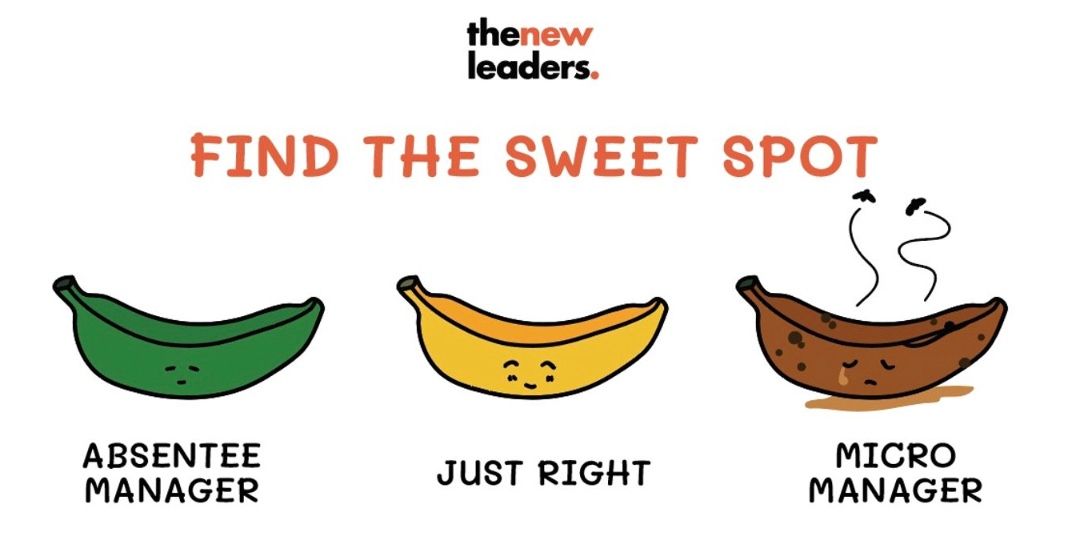
Micromanagement is when a boss watches over every little thing their employees do, instead of just assigning tasks and setting deadlines. A micromanager is always hovering, checking up, and stepping in constantly.

When people talk about micromanagement, they often mention “scrutiny” and “attention to detail.”

Here’s what micromanagement typically looks like:

  • Needing to control everything: Micromanagers have a hard time trusting others to get things done. They want constant updates and access to everything, which makes employees feel like they’re not trusted and leads to a lot of tension.
  • Obsessed with power: Some managers think they need to be involved in everything to show they’re in charge. But this just makes them come off as overbearing, leaving employees feeling smothered and unable to grow.
  • Thinking they know best: Micromanagers often say things like, “I’ve been in this industry for decades,” and force their employees to do things their way. This stifles creativity and keeps work from being innovative.

In the end, focusing too much on every tiny detail means micromanagers miss out on the big picture. They can’t meet deadlines because “everything has to go through them,” and they have no time for the strategic thinking that’s crucial for leadership. For employees, constant interference leads to frustration and a lack of autonomy and creativity.
7B3FC32D-1FBD-4462-BCB5-3232EA920273.jpeg

If micromanagement is so bad, why do some managers still use it?

Well, like everything, there are two sides to the story. Sometimes, micromanagement can actually be helpful.

Situation #1: The team isn’t quite up to speed yet, such as:

  • New employees just starting out
  • Tasks or projects that are unfamiliar
  • Jobs that are really complex and challenging

In these situations, keeping a close eye, getting daily updates, and even stepping in to help can actually get everyone up to speed faster.

Situation #2: The company is going through a crisis or big changes

Think about crises like natural disasters, pandemics, projects with tight deadlines, or major strategic changes. These are times when micromanagement might be necessary. During these situations, clear communication, close guidance, and making sure everyone is on the same page are crucial until things settle down.

Situation #3: Industries where accuracy or legal compliance is critical

Fields like finance or healthcare need to be extremely precise and follow strict rules. In these sectors, even a small mistake can have big consequences, so leaders can’t afford to give too much freedom to their teams.
CB991A77-6379-43C9-A56B-B2D058828EC9.jpeg

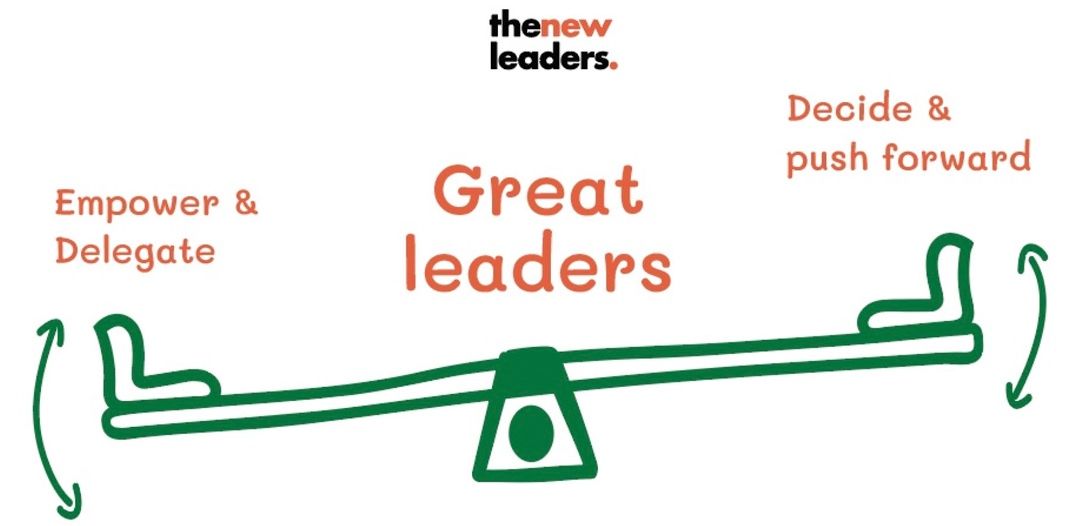
If micromanagement is necessary, the question for managers is:

How can managers get employees on board with micromanagement?

Here are some tips from The New Leaders for your reference.

#1. Clear Communication

Leaders should explain the reasons and set specific deadlines for micromanagement to their team.

Since micromanagement is only suitable in certain situations, try to set an end date for these control activities and communicate clearly with your team why this management style is needed.

Say things like:

  • “Once you’re comfortable with this task, I’ll let you handle it on your own and just check the final result.”
  • “When we’re back in the office, you won’t need to track your hours as closely as we do now.”

This helps employees understand and cooperate with the management.

#2. Keep the Conversation Open

Regular feedback and encouraging employees to provide their own feedback helps leaders spot issues they might not notice.

Being open to feedback can bring in new ideas and solutions, preventing the team from getting stuck in old ways. Remember to practice empathetic listening and communication because no one wants to give feedback to a stubborn and controlling boss!

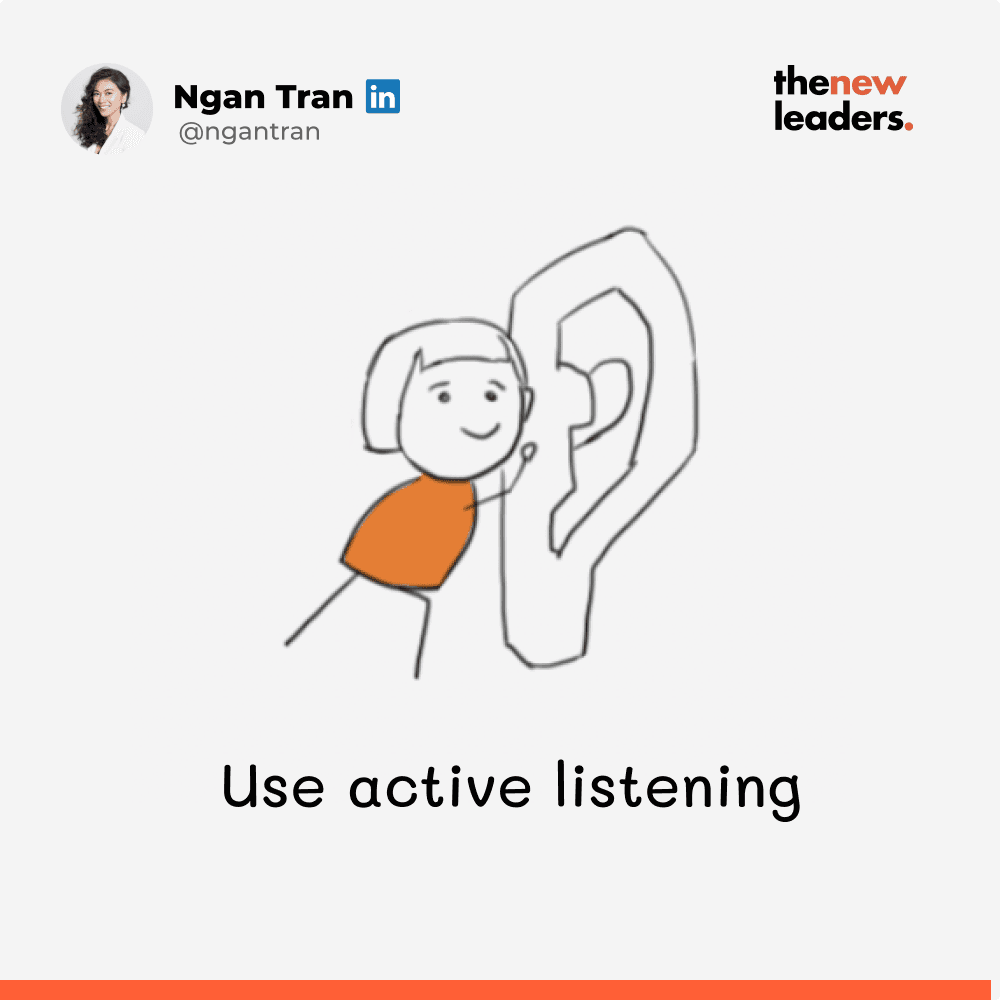
Active listening is one of the skill in EQ leadership that would help. Read more about how to become an active listener here.

#3. Support, Don’t Just Command

Instead of just supervising, offer guidance, help when needed, and the resources for employees to do their work.

Not every task needs 100% supervision. Focus on the critical parts of projects or tasks that need close attention, and give employees some freedom with less critical areas. This creates some breathing room, making employees feel less suffocated.

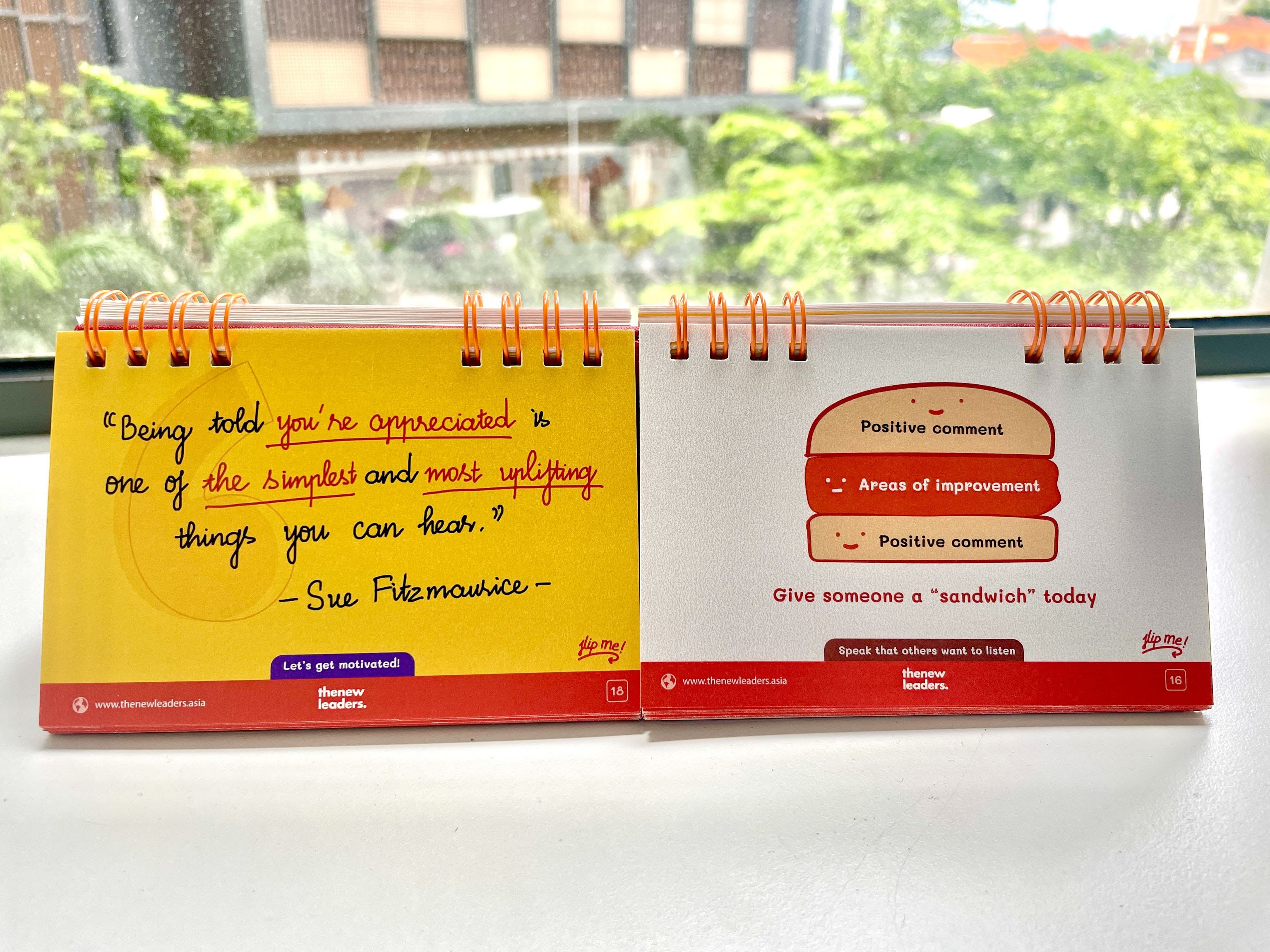
Don’t forget to give constructive feedback and positive reinforcement to encourage employees and create a positive working environment, even when micromanagement is necessary.
unnamed.jpg

*Image from Vision Craft, a product illustrating leadership & communication skills with emotional intelligence through creative drawings by The New Leaders. Contact us to see more.

In conclusion, micromanagement has both negative and positive aspects that managers need to apply flexibly and wisely.

Remember, mastering EQ skills such as listening, empathetic communication, giving and receiving effective feedback will greatly support managers when they need to apply micromanagement!”

—

Discover Your Inner Leadership Skills with Emotional Intelligence

Are you ready to unlock your true potential and lead with confidence? Join me, Ngan Tran and The New Leaders, as we guide you through the journey of discovering and harnessing your core values using the power of Emotional Intelligence (EQ).

With my background in the Harvard Executive Leadership Program and a Master’s in Executive Leadership Coaching, I specialize in EQ leadership training, communication, and effective leadership development. I’m dedicated to helping you achieve personal and professional excellence.

Let’s embark on this transformative journey together! Shall we?

Get weekly EQ tips to boost your career

Khi Chạm Đáy, Hãy Nhớ: Con Đường Duy Nhất Là Vươn Lên

Không đơn thuần là một cuốn sách, ebook Chuyện Về Thấu Cảm…

Khi Chạm Đáy, Hãy Nhớ: Con Đường Duy Nhất Là Vươn Lên

By Rachel – The New Leaders

Những ngày đầu năm 2025 này, trong khi The New Leaders đang liên tục có những buổi training về resilience – sức bền vượt khó – cho các đội ngũ quản lý của các tập đoàn, doanh nghiệp trong bối cảnh thị trường còn nhiều thách thức, thì tình cờ, chúng mình cũng có xem được bộ phim Upstream trên Netflix. Một câu chuyện đời rất đời, mà cũng rất gần với chủ đề resilience và những thử thách mà nhiều người đang phải đối mặt trong năm mới này.

Nếu bạn đang thấy mình mắc kẹt trong bế tắc, kiệt sức hay không biết làm gì tiếp theo để bắt đầu một năm mới đầy thách thức, thì đọc tiếp và hãy xem bộ phim này nhé, chúng mình hy vọng những điều này sẽ mang lại cho bạn một chút ánh sáng, một góc nhìn mới để bước tiếp.

1. Bất hạnh thực sự bắt nguồn từ đâu?

Anh Chí Lũy trong phim đã tự giam mình trong suy nghĩ: “Tôi là một kẻ thất bại. Tôi mất việc. Tôi bất lực, không thể lo cho vợ con, không làm tròn chữ hiếu với ba mẹ.”

Những suy nghĩ đó trở thành ngọn lửa âm ỉ thiêu đốt anh từ bên trong. Nó làm cảm xúc của anh trở nên cay đắng, tệ hại. Và rồi anh mang tất cả sự tiêu cực ấy về nhà: quát mắng con, cãi vã với vợ, bất hòa với ba.

CE_UpstreamCN-1.jpg

Càng chìm trong vòng xoáy đó, mọi thứ càng đổ vỡ.

Chúng ta thường nghĩ bất hạnh đến từ hoàn cảnh bên ngoài, nhưng thật ra, nó bắt đầu từ cách chúng ta nhìn nhận về chính mình! Suy nghĩ tiêu cực là hạt giống, cảm xúc tiêu cực là mảnh đất, và bất hạnh chính là cái cây lớn lên từ đó.

Step 1: Chỉ cần thay đổi góc nhìn (mindset shift) về chính bản thân mình, bạn đã đi được nửa chặng đường thoát khỏi bế tắc.

2. Bạn có đang tự mình làm mọi thứ khó khăn hơn?

Chúng ta hay nghĩ: “Không ai hiểu mình, không ai giúp mình.” Nhưng sự thật là gì?

Giống như Chí Lũy, nhiều người chọn giấu đi những khó khăn của mình. Anh mất việc hai tháng mà không nói với vợ hay ba, vì nghĩ rằng mình phải tự giải quyết. Nhưng điều đó chỉ khiến mọi chuyện tệ hơn.

Vợ anh nói: “Đây là gia đình của chúng ta.” Và khi anh chịu mở lòng, cả gia đình đã cùng nhau vượt qua: vợ tìm việc, ba tập vật lý trị liệu ở nhà, cả nhà chuyển sang một căn nhỏ hơn để giảm áp lực tài chính.

Có những lúc chúng ta quên rằng mình không hề cô đơn. Những người yêu thương bạn luôn ở đó, sẵn sàng giúp đỡ bạn. Nhưng họ không thể đọc được suy nghĩ của bạn, và đôi khi chính bạn cũng chưa học được cách chia sẻ hay nhờ giúp đỡ đúng cách.

284.jpg

Step 2: Xây dựng và nuôi dưỡng mối quan hệ quan trọng (support system).

Hãy tự hỏi:

Khi gặp khó khăn, ai sẽ là người bạn tìm đến để chia sẻ cảm xúc?
Ai sẽ cho bạn lời khuyên?
Ai sẽ có thể hỗ trợ về tài chính nếu cần?
Những mối quan hệ sâu sắc này không tự nhiên mà có. Bạn cần xây dựng nó từ hôm nay, để khi cuộc đời rơi xuống “đáy,” bạn biết rằng mình không phải một mình.

(Bớt networking xã giao vô bổ đi, mà tập trung vào những mối quan hệ quan trọng có ý nghĩa này nè!)

3. Sự khác biệt giữa một quyết định đúng và một quyết định sai

Trong phim, khi mọi thứ đã rơi vào khủng hoảng, Chí Lũy bắt đầu nhìn lại kỹ năng IT mà anh từng có. Anh thiết kế một app để công việc shipper của mình hiệu quả hơn. Kỹ năng đó đâu phải mới – nó đã ở đó từ rất lâu. Nhưng trước đó, anh không thể nghĩ ra cách sử dụng nó.

Tại sao? Vì khi bạn chìm trong cảm xúc tiêu cực, não bộ của bạn gần như “đóng băng.” Neuron thần kinh không hoạt động hiệu quả, và bạn dễ đưa ra những quyết định sai lầm.

Quyết định sai khiến mọi thứ tồi tệ hơn, bạn càng stress hơn, và vòng lặp đó cứ tiếp tục.

AVJ-TW-003-A1329-P448.png

Step 3: Học cách kiểm soát cảm xúc và suy nghĩ trong những tình huống căng thẳng.

Sự minh mẫn không tự đến – nó đòi hỏi bạn phải rèn luyện khả năng kiểm soát suy nghĩ và cảm xúc từ bên trong, từ đó khôi phục lại sự sáng suốt để tìm ra giải pháp.

Có lẽ chúng ta không thể tránh khỏi những khoảnh khắc “đáy” của cuộc đời. Nhưng cách bạn nhìn nhận, hành động và vượt qua những khoảnh khắc ấy sẽ quyết định bạn là ai sau cơn giông bão.

Trong bài viết sắp tới, The New Leaders sẽ chia sẻ thêm về cách kiểm soát cảm xúc và đưa ra quyết định sáng suốt dựa trên khoa học não bộ nhé!

Chúc bạn một ngày tràn đầy năng lượng tích cực, và nếu bạn đang ở trong đáy của cuộc đời – thì cũng chẳng sao cả, hãy nhớ, chỉ có một hướng để đi: lên trên. 💪✨

Get weekly EQ tips to boost your career

Thinking for Others is Exhausting?

Không đơn thuần là một cuốn sách, ebook Chuyện Về Thấu Cảm…

Thinking for Others is Exhausting?

By Ngan Tran – The New Leaders

Learning About Emotional Intelligence

Let’s learn how to communicate based on empathy!

First, you need to understand correctly:

Empathy vs. Sympathy

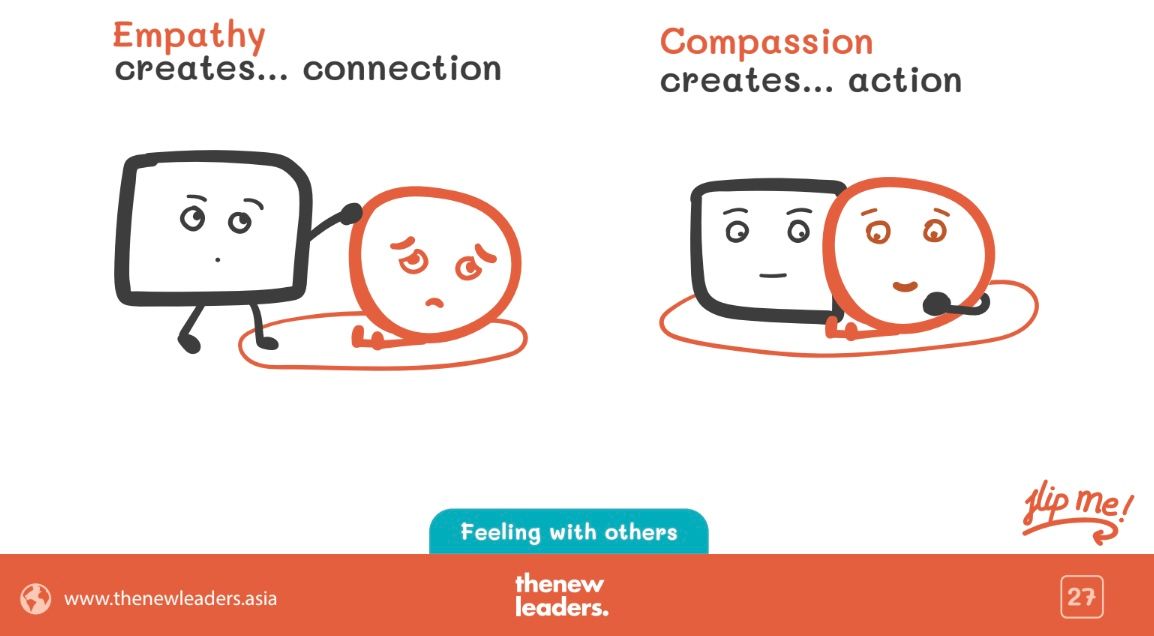
  • Sympathy: when you think about others from your own perspective. This can unintentionally create a distance between you and others.
  • Empathy: when you understand why they have those feelings and thoughts from their position. This helps you build connection and trust, encouraging others to share.
  • Compassion: From the connection of empathy, you want to help them through action. However, this can sometimes leave you exhausted as you feel responsible for solving other people’s problems.

D516B428-25CA-453C-8306-9BCCFCFBF81A.jpeg

Is a lot of Empathy good?_

tuoi-day-thi-6.jpeg

This could be you, feeling overwhelmed because you have to sympathize with one person, listen to another while (also) trying to “make room” for your own plans and worries.
parent.png

This could be you, a parent exhausted by your child’s cries and seemingly limitless demands.

doctor.png

Or this could be you, a doctor just out of surgery, unable to save another life. Or you, the doctor who just heard the last words of a cancer patient.

Hyper empathy, when you allow yourself to absorb all the emotions others have and turn them into your own, will deplete your empathy reserve. Like a water tank that hasn’t been refilled for a long time, you gradually dry up, unable to empathize anymore, and may even become indifferent and insensitive to the things happening around you (American Psychological Association, Apathy).

Does Empathy Drain Your Energy?

What you need to do is change your mindset about your empathy energy reserve.
Empathizing with someone is not a one-way relationship, but it is about giving and receiving. The other person can receive your compassion and empathy, and you also gain joy and excitement from helping others (Compassion Research Lab, 2022).


Discover Your Inner Leadership Skills with Emotional Intelligence

Are you ready to unlock your true potential and lead with confidence? Join me, Ngan Tran and The New Leaders, as we guide you through the journey of discovering and harnessing your core values using the power of Emotional Intelligence (EQ).

With my background in the Harvard Executive Leadership Program and a Master’s in Executive Leadership Coaching, I specialize in EQ leadership training, communication, and effective leadership development. I’m dedicated to helping you achieve personal and professional excellence.

Let’s embark on this transformative journey together! Shall we?

Get weekly EQ tips to boost your career

Building Trust: The Key to Successful Leadership

Không đơn thuần là một cuốn sách, ebook Chuyện Về Thấu Cảm…

Building Trust: The Key to Successful Leadership

By Ngan Tran – The New Leaders

What is Trust?

Imagine you’ve been given a significant project and need to find someone responsible for overseeing it. How would you choose the right person?

Would it be based on reliability?

“Mr. A is very trustworthy because he is always consistent and very honest. But can he handle such a big project?”

Or would it be based on credibility?

“Ms. B has good skills, but can we trust her?”

Or maybe you should hand it over to Mr. C, who is both good at talking and doing. But why do you still feel uneasy about him?

So, what exactly builds trust in a workplace environment looks like? In today’s bulletin, let’s explore the formula for building trust with me.

The Trust Equation (Charles H. Green)
D36AED72-815D-45CF-BD2A-2D8D4F4708EE.jpeg
This formula states that your trust in someone is a combination of three factors: Credibility, Reliability, Intimacy, and is divided by Self-Orientation of that person.

Credibility: Expertise, confidence, and the degree to which you trust their words.

Reliability: Whether their actions are trustworthy. Do they “walk the talk” and act consistently between what they say and do?

Intimacy: Do you feel emotionally and psychologically safe sharing with them? Do you feel they empathize with the issues you’re discussing?

Self-Orientation: Whether their motivations are self-serving or for the collective good.

Let’s do the math!

Take Mr. A as an example. He is very reliable, so you score Reliability = 9/10.

However, Mr. A hasn’t clearly demonstrated his capability to handle this project, so Credibility = 7/10.

You feel quite safe confiding work-related and some personal issues with Mr. A, so Intimacy = 8/10.

However, Mr. A often behaves in his self-interest rather than for others. So, Self-Orientation = 8/10.

Thus, in your assessment, Trust in Mr. A = (9/10 + 7/10 + 8/10) / 8/10 = 3.

Trust is not an objective, rational assessment; it is a subjective, emotional evaluation.

Most people tend to rely only on credibility and reliability to build trust with others. But is enhancing knowledge and skills and keeping promises enough?

Certainly not. People often say: “I feel I trust this person because…”. “Feel” is an emotional word and changes depending on the person and context. In the trust formula, the two factors that affect emotions, Intimacy and Self-Orientation, play a crucial role in the final result.

Intimacy is crucial in building trust, especially in personal relationships and teamwork. It shows care and understanding of others, enhancing connection and mutual trust.

Self-Orientation is a divisor, not a simple subtraction. As soon as self-interest increases even slightly, others’ trust in you erodes.

How to Build Trust?

  • Enhance your expertise and knowledge to gain credibility in your words.
  • Maintain consistency in your actions and keep your promises to earn reliability in your deeds.
  • Develop empathy to make others feel safe and close. Psychological safety is one of the term that usually ignored but can be implemented to increase trust, read more here.
  • Balance personal needs with collective needs, and be willing to support others when possible to reduce selfishness in your actions.

Trust, as one of the key to successful leadership, has many myths. Have you known? Find out more in the article here.

—

Discover Your Inner Leadership Skills with Emotional Intelligence

Are you ready to unlock your true potential and lead with confidence? Join me, Ngan Tran and The New Leaders, as we guide you through the journey of discovering and harnessing your core values using the power of Emotional Intelligence (EQ).

With my background in the Harvard Executive Leadership Program and a Master’s in Executive Leadership Coaching, I specialize in EQ leadership training, communication, and effective leadership development. I’m dedicated to helping you achieve personal and professional excellence.

Let’s embark on this transformative journey together! Shall we?
Get weekly EQ tips to boost your career

Mô hình 3R: Nghệ Thuật ‘Reset’ Của Những Người Khổng Lồ

Không đơn thuần là một cuốn sách, ebook Chuyện Về Thấu Cảm…

Mô hình 3R: Nghệ Thuật 'Reset' Của Những Người Khổng Lồ

By Ngan Tran – The New Leaders

Năm 2011, cổ phiếu Netflix rơi tự do từ $300 xuống còn $53 chỉ trong vài tháng. Khách hàng bỏ đi hàng loạt. Báo chí gọi đây là “Qwikster fiasco” – thảm họa tệ nhất trong lịch sử công ty. Reed Hastings, CEO Netflix khi đó đứng trước một quyết định quan trọng: tiếp tục bám víu vào mô hình kinh doanh DVD đang dần lỗi thời, hay thực hiện một cuộc “đại phẫu” toàn diện?

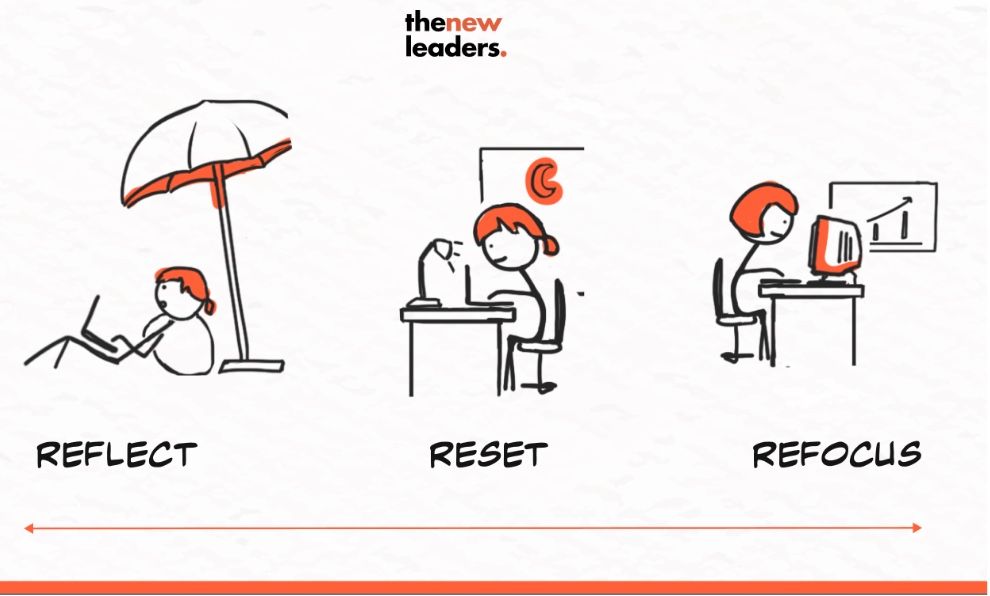
Hastings đã chọn con đường khó khăn hơn. Ông ngồi xuống và áp dụng một quy trình sau này được đúc kết thành khung 3R: Reflect (Nhìn lại) – Reset (Thiết lập lại) – Refocus (Tập trung lại).
“Chúng tôi phải đối mặt với sự thật rằng DVD sẽ sớm trở thành quá khứ,” Hastings chia sẻ trong một email nội bộ. “Vấn đề không phải là liệu chúng ta có nên thay đổi hay không, mà là thay đổi như thế nào và khi nào.” Kết quả? Netflix không chỉ vực dậy mà còn trở thành đế chế giải trí toàn cầu với hơn 260 triệu người đăng ký, thay đổi hoàn toàn cách thế giới tiêu thụ nội dung.
0_ZVM5nWuVnu89dl4s.jpg

Giải Mã Sức Mạnh của Mô hình 3R

Theo nghiên cứu từ MIT Leadership Center, 70% các dự án chuyển đổi thất bại không phải vì thiếu nguồn lực hay tầm nhìn, mà vì thiếu một quy trình có cấu trúc để dẫn dắt sự thay đổi. Đây chính là lý do mô hình 3R trở nên rất hiệu quả.

REFLECT (Nhìn lại)

Đây không đơn thuần là việc nhìn lại quá khứ, mà là một quá trình đánh giá toàn diện và khách quan về hiện trạng. Giống như một bác sĩ phải chẩn đoán chính xác trước khi đưa ra phương án điều trị, các nhà lãnh đạo cần có cái nhìn rõ ràng về thực trạng tổ chức trước khi bắt đầu hành trình thay đổi.

RESET (Thiết lập lại)

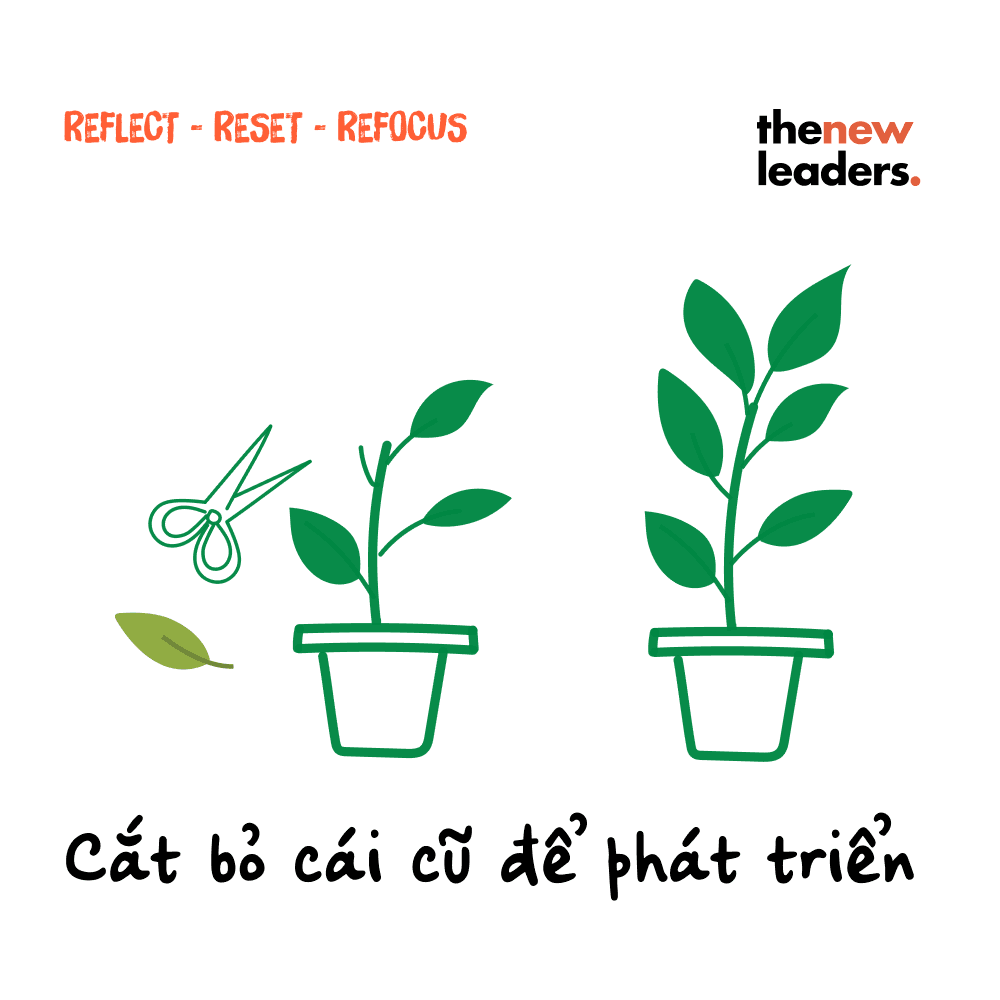
Reset không có nghĩa là xóa sạch tất cả để bắt đầu lại. Đây là quá trình tinh chỉnh và tái cấu trúc có chọn lọc. Như một kiến trúc sư cải tạo ngôi nhà cổ, bạn giữ lại những giá trị cốt lõi trong khi thay đổi những elements không còn phù hợp.

REFOCUS (Tập trung lại)

Đây là bước quan trọng nhất – xác định rõ hướng đi mới và tập trung mọi nguồn lực vào đó. Refocus đòi hỏi không chỉ tầm nhìn rõ ràng mà còn cả sự kiên định và kỷ luật trong thực thi.
8B3E87D7-3986-4E04-98BA-430C2C28BA42.jpeg

Vingroup: Cuộc “Đại Phẫu” của Người Dẫn Đầu

Năm 2019, giữa lúc Vinmart đang có hơn 2.600 cửa hàng trên toàn quốc và VinEco đang dẫn đầu thị trường nông nghiệp sạch, Phạm Nhật Vượng đã đưa ra một quyết định làm chấn động thị trường: rút khỏi cả hai mảng kinh doanh này.

Đây chính là một ví dụ điển hình về việc áp dụng mô hình 3R ở quy mô lớn:

REFLECT: Vingroup nhận ra rằng trong kỷ nguyên số, việc dàn trải nguồn lực có thể là rào cản cho những đột phá thực sự. “Chúng tôi không thể và không nên làm tất cả mọi thứ,” bác Phạm Nhật Vượng chia sẻ.

RESET: Quyết định chuyển giao những mảng kinh doanh đang sinh lời để tập trung nguồn lực cho một tầm nhìn lớn hơn. Đây không phải là một bước lùi, mà là một bước “chạy đà” cho cú nhảy vọt.

REFOCUS: Tập trung mạnh mẽ vào công nghệ và công nghiệp, đặc biệt là thông qua VinFast. Từ một tập đoàn bất động sản và bán lẻ, Vingroup đang từng bước định vị mình trên bản đồ công nghệ toàn cầu.

Áp Dụng 3R: Từ Góc Nhìn The New Leaders

Làm thế nào để áp dụng khung 3R một cách hiệu quả trong tổ chức của bạn? Dưới đây là quy trình được đúc kết từ kinh nghiệm làm việc với nhiều nhà lãnh đạo:
Tạo “Không Gian” cho Reflect
Dành ra một buổi sáng yên tĩnh mỗi tháng, tốt nhất là vào Chủ nhật đầu tháng. Đây không phải là thời gian để xem báo cáo hay số liệu, mà là để suy ngẫm về những câu hỏi lớn: Chúng ta đang tạo ra giá trị gì? Đâu là cơ hội và thách thức thực sự?
Reset có Chủ Đích
Bắt đầu với những thay đổi nhỏ nhưng có tính lan tỏa. Có thể là cách tổ chức cuộc họp, quy trình ra quyết định, hay cách đánh giá hiệu suất. Nhớ rằng, Reset không phải là phá bỏ tất cả, mà là tinh chỉnh có chọn lọc.
Refocus Thông Minh
Chọn tối đa 3 ưu tiên hàng quý và tập trung mọi nguồn lực vào đó. Như Reed Hastings đã nói: “Nếu bạn có hơn 3 ưu tiên hàng đầu, nghĩa là bạn không có ưu tiên nào cả.”
116-4.png
💡 Lời khuyên đặc biệt từ The New Leaders:

  1. Biến 3R thành ritual (nghi thức) hàng tuần. Chọn một thời điểm cố định, một không gian yên tĩnh, và duy trì đều đặn.
  2. Ghi chép lại quá trình Reflect. Việc viết ra giúp suy nghĩ trở nên rõ ràng và có cấu trúc hơn.
  3. Chia sẻ hành trình 3R với team. Sự minh bạch sẽ tạo ra sự tin tưởng và cam kết từ đội ngũ.
  4. Đừng vội vàng. Như câu chuyện của Netflix và Vingroup cho thấy, những chuyển đổi lớn cần thời gian để “ngấm” và tạo tác động.

Kết Luận: 3R – Công Cụ của Những Nhà Lãnh Đạo Kiên Cường

Trong thời đại mà sự thay đổi là điều duy nhất không thay đổi, khung 3R trở thành la bàn giúp các nhà lãnh đạo định hướng và điều chỉnh hành trình của mình. Từ Netflix đến Vingroup, từ những startup đến các tập đoàn đa quốc gia, 3R đã chứng minh giá trị của mình như một công cụ không thể thiếu cho những ai muốn dẫn đầu thay vì chạy theo.
Hãy nhớ rằng, 3R không phải là công thức ma thuật – đó là một hành trình. Và như mọi hành trình, điều quan trọng không phải là đích đến, mà là những bài học và sự trưởng thành trên đường đi.
💬 Bạn đang ở đâu trong hành trình 3R của mình? Đâu là những thách thức lớn nhất mà bạn đang đối mặt trong quá trình chuyển đổi tổ chức?

Get weekly EQ tips to boost your career

How much do you think your team understands you?

Không đơn thuần là một cuốn sách, ebook Chuyện Về Thấu Cảm…

How much do you think your team understands you?

By Ngan Tran – The New Leaders

A study of nearly 52,000 managers highlighted the link between “proactively seeking feedback” and “effective leadership.” Specifically:
The bottom 10% of managers who rarely sought feedback ranked among the worst in leadership effectiveness.
Meanwhile, the top 10% of leaders who frequently sought feedback ranked among the top 14% in leadership effectiveness. (Forbes)
Multidirectional communication and feedback allow each member and the entire team to recognize existing issues and find ways to improve, thereby enhancing both individual and collective performance. In today’s newsletter, let’s analyze the Johari Window model in team management and leadership with The New Leaders!

The Johari Window model, developed by Joseph Luft and Harrington Ingham in 1955, is a psychological tool used to improve self-awareness and interpersonal relationships within a group. This model divides information about an individual into four “windows” or “areas”:

Open Area: Information that both the individual and others know.
Blind Area: Information that others know about you, but you don’t know.
Hidden Area: Information that you know about yourself but others don’t.
Unknown Area: Information that neither you nor others know.
How to Apply This Model to Leadership?
The goal of the Johari Window is to expand the Open Area as much as possible. This means that your qualities and strengths are clearly recognized by both yourself and others.

In the context of team management, expanding the Open Area also means that the leader helps team members gain a clear understanding of the collective’s strengths and competitive advantages and communicates this clearly and consistently to the outside.

#1 Expand the Open Area into the Blind Area through Feedback
Seek feedback from others to see what they perceive that you might not. Managers can use tools like 360-degree feedback and cultivate a culture of giving and receiving feedback within the organization to enhance this process.

#2 Expand the Open Area into the Hidden Area through Self-Disclosure
Values that you have but others do not see mean you have not clearly demonstrated them. Leaders should also appropriately show vulnerability to create deeper connections with employees. This is why leaders, especially politicians, often rigorously train in inspirational storytelling to effectively convey their values to others, thereby attracting and mobilizing crowds.

#3 Expand the Open and Hidden Areas into the Unknown Area through Self-Discovery or Collaborative Discovery
Identify and cultivate new qualities and abilities that are not present in the Open, Blind, or Hidden Areas but are desired for the future. Specific solutions include:

Participating in personal development activities and leadership training.
Accepting new challenges to explore untapped potential within the team.
Encouraging innovation and creativity within the organization.
What Benefits Does the Johari Window Bring to Leaders and Organizations?
Benefit #1: Improve Communication and Build Trust
Clear Communication: When leaders share more information about goals, plans, and expectations, the team better understands the direction and methods to achieve common goals.
Reduce Misunderstandings and Conflicts: Transparency and honesty in communication help minimize unnecessary misunderstandings and conflicts among team members.
Build Trust: When leaders are open and honest, employees find them more trustworthy, laying the foundation for effective and sustainable working relationships.
Encourage Team Honesty: Open leaders make employees feel more comfortable sharing their opinions, suggestions, and feedback.
Benefit #2: Enhance Problem-Solving and Team Development
Richer Information Collection: When more information is shared and discussed, leaders can gather diverse opinions and perspectives, leading to more informed decisions.
Effective Conflict Resolution: Openness in communication helps leaders quickly and effectively identify and resolve internal conflicts.
Discover and Develop Employee Potential: When leaders are open about the organization’s development needs and goals, employees feel encouraged to develop their skills and potential.
Self-Improvement: Receiving feedback from the team helps leaders identify areas for personal improvement and develop better leadership skills.
Benefit #3: Increase Engagement and Motivation
Create a Positive Work Environment: Openness helps create a work environment where everyone feels comfortable and valued, boosting employee engagement and motivation.
Encourage Participation: When leaders share information and listen to team opinions, employees feel valued and respected, increasing their commitment to their work.
Benefit #4: Boost Creativity and Innovation
Encourage Creativity: An open environment encourages employees to present new and creative ideas. These ideas can add significant value to the organization and help the company grow stronger.
Embrace Change: Open leaders are more likely to accept and promote change, helping the organization be flexible and adapt to new challenges.
The Johari Window is not just a tool but a continuous journey of self-discovery and personal development for leaders. Persevere in honing your communication, feedback, and inspirational storytelling skills, constantly expanding your “open area.” By doing so, you not only enhance your personal leadership effectiveness but also inspire and build a strong, united team ready to face any challenge and achieve new heights together.

Upcoming Courses for Individuals in September!
Unlock the Power of EQ – The Key to Advancement for Introverted Leaders
Only 4% of managers and directors are introverted, with this percentage decreasing at higher levels. Does this mean introverts have no chance? The truth is, we possess unique strengths – the key to becoming outstanding leaders.

It’s time to leverage the unique strengths of introverts in leadership roles. Join now to unlock your potential and advance your career through EQ!

Boost Team Motivation – Don’t Use the Old Ways!
In today’s challenging economic landscape, optimizing team performance is no longer optional – it is essential for survival. The “Boosting Team Motivation” workshop will equip you with powerful tools to push your team beyond their limits, towards peak success. Learn more >

The Art of Interviewing with Emotional Intelligence
Are traditional interviews still effective? Among hundreds of similar CVs, how do you “pick the best”?

Today, high IQ and experience are no longer decisive factors. Studies show many employees are dismissed not due to a lack of technical skills but due to low soft skills and emotional intelligence (EQ). So how do you effectively assess candidates? How do you avoid costly recruitment mistakes, especially for managerial positions? Discover the art of interviewing with Emotional Intelligence for leaders!

Get weekly EQ tips to boost your career

Leading in Challenging Times: Why “More” Isn’t the Answer

Không đơn thuần là một cuốn sách, ebook Chuyện Về Thấu Cảm…

Leading in Challenging Times: Why "More" Isn't the Answer

By Ngan Tran – The New Leaders

An important EQ Leadership mindset in 2024!

In our pursuit of excellence, we often find our team working tirelessly, feeling overwhelmed, and believing that we need more resources to achieve our goals.

I know it has been challenging in leadership positions in 2023 and continue 2024 when a lot of our people are laid off. You are struggling with the idea of how can you achieve more with less. It seems impossible!

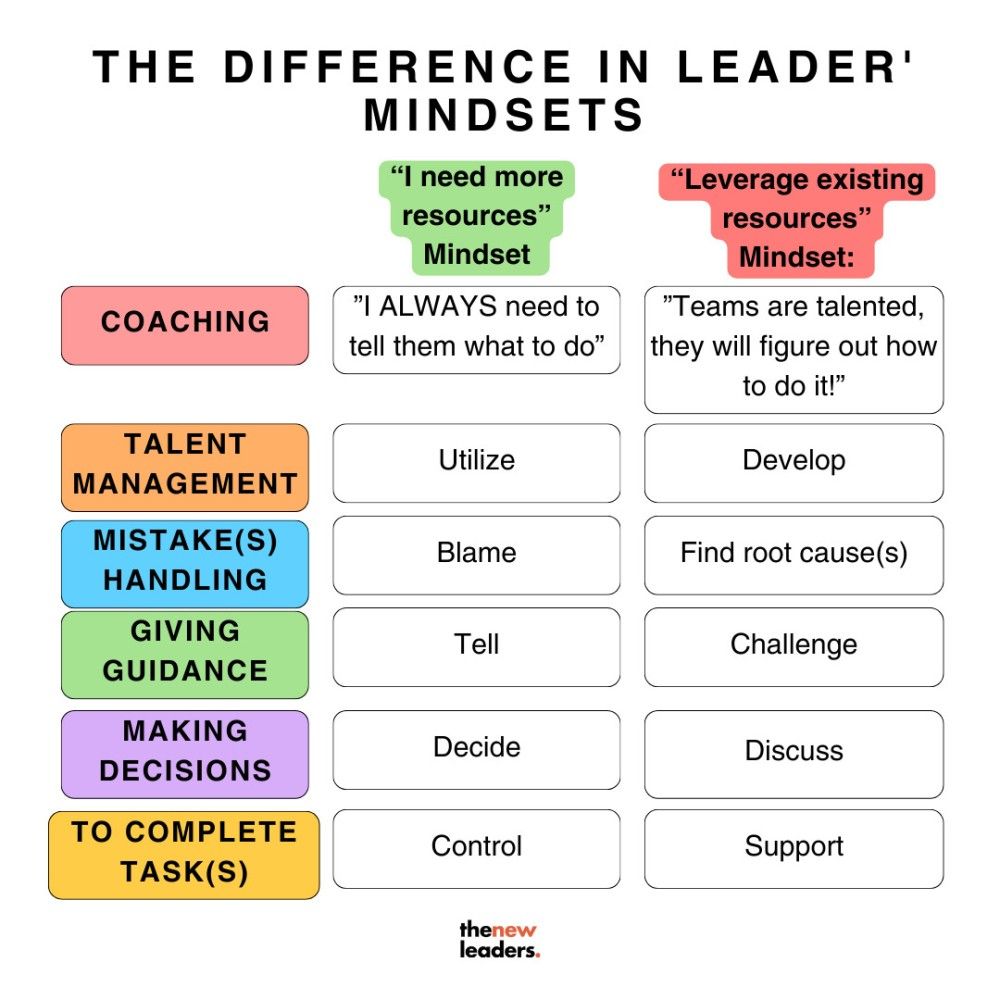
But what if I told you that the key to success lies not in acquiring more, but in utilizing what we already have more effectively?

The Untapped Potential:

Research reveals that only 66% of the average capabilities of personnel in organizations are being utilized. That means we’re wasting one-third of each person’s capacity every day!

Imagine the impact of fully unlocking your team’s potentials and capabilities. By doing so, you have the potential to increase team performance by a remarkable 34%, all without the need for additional resources.

The current issue of overworked but still underutilized is a reality many of us face (and even don’t realize that).
1706592541342.png
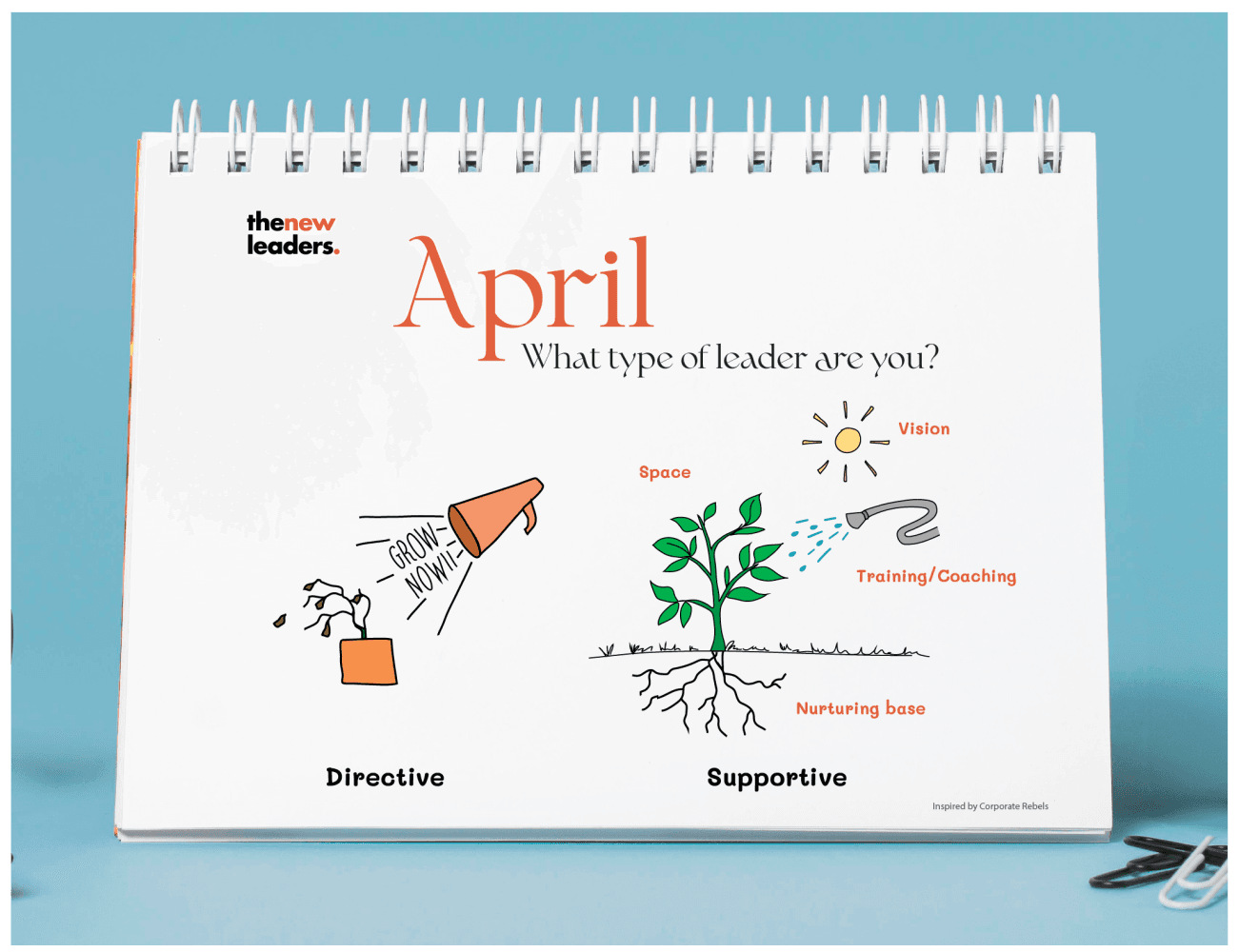
[Image for April in The New Leaders’ EQ 2024 calendar. Learn more about the calendar here]

Why Does This Happen?

Several factors contribute to this, including:
The boss-centric approach: Intelligence flowing only from the boss to the employees.
Ineffective coaching and guidance: Despite the belief in the necessity of regular coaching, only 30% of employees have quality conversations with their superiors (Harvard Business Review; The Talent Strategy Group, 2023).
Ineffective communication: While leaders believe the company communicates well, only 30% of employees feel the same way (One Advanced, 2023).

_[Get The New Leaders’ EQ 2024 calendar to enhance your leadership skills. Find more information HERE[https://tuduylanhdao.carrd.co/]

What Do We Need to Do?

It’s time to shift our mindset from “always needing more” to recognizing and harnessing the existing potential within our teams. Here’s a roadmap for success:
Recognize untapped potential: Identify the hidden strengths and talents of your team members.
Develop skills through effective leadership: Invest in methods that nurture and develop the capabilities of your team.
Utilize more, achieve more: Success isn’t about doing more with less but leveraging intelligence, capabilities, enthusiasm, and belief in our teams.

1706592837355.jpg
(This is general mindset. There would also depends on specific situations)

To inspire your leadership journey for 2024:

To cultivate a more open-minded and effective leadership approach, consider adding “The EQ Calendar” from The New Leaders to your desk.
It’s not only a valuable resource but also a meaningful gift for your team and organizational leadership to inspire them throughout the challenges and opportunities of 2024.
Find more information here
12 Months, 12 Themes:
Embark on a journey of growth with our EQ-themed calendar for 2024. Each month focuses on a key aspect of communication and leadership, ensuring you become more efficient and lead your team with excellence:

  • January: Goal-setting
  • February: Exploring Mindsets
  • March: Let’s get motivated!
  • April: What type of leader are you?
  • May: Feeling with others
  • June: Lift people up with your trust
  • July: Know your emotions
  • August: Develop your team
  • September: Speak that others want to listen
  • October: Handle stress – Get your hype on
  • November: Healthy conflict is good
  • December: Resilience

Additionally, the calendar serves as a companion, guiding you to practice new skills, build habits, and stay focused on your priorities. It’s a daily reminder of the inspiring messages that drive exceptional leadership.


Discover Your Inner Leadership Skills with Emotional Intelligence

Are you ready to unlock your true potential and lead with confidence? Join me, Ngan Tran and The New Leaders, as we guide you through the journey of discovering and harnessing your core values using the power of Emotional Intelligence (EQ).

With my background in the Harvard Executive Leadership Program and a Master’s in Executive Leadership Coaching, I specialize in EQ leadership training, communication, and effective leadership development. I’m dedicated to helping you achieve personal and professional excellence.

Let’s embark on this transformative journey together! Shall we?
Get weekly EQ tips to boost your career

Burnout is More Than Just Physical

Không đơn thuần là một cuốn sách, ebook Chuyện Về Thấu Cảm…

Burnout is More Than Just Physical

By Ngan Tran – The New Leaders

Feeling Overwhelmed?

Before you respond with a quick “No” and dive back into your endless deadlines… Or a desperate “Yes – I need immediate healing, a luxurious trip, or a retreat!” pause for a moment and explore this feeling of overwhelm with us.

What is Burnout? How to Recognize You’re “Burned Out”

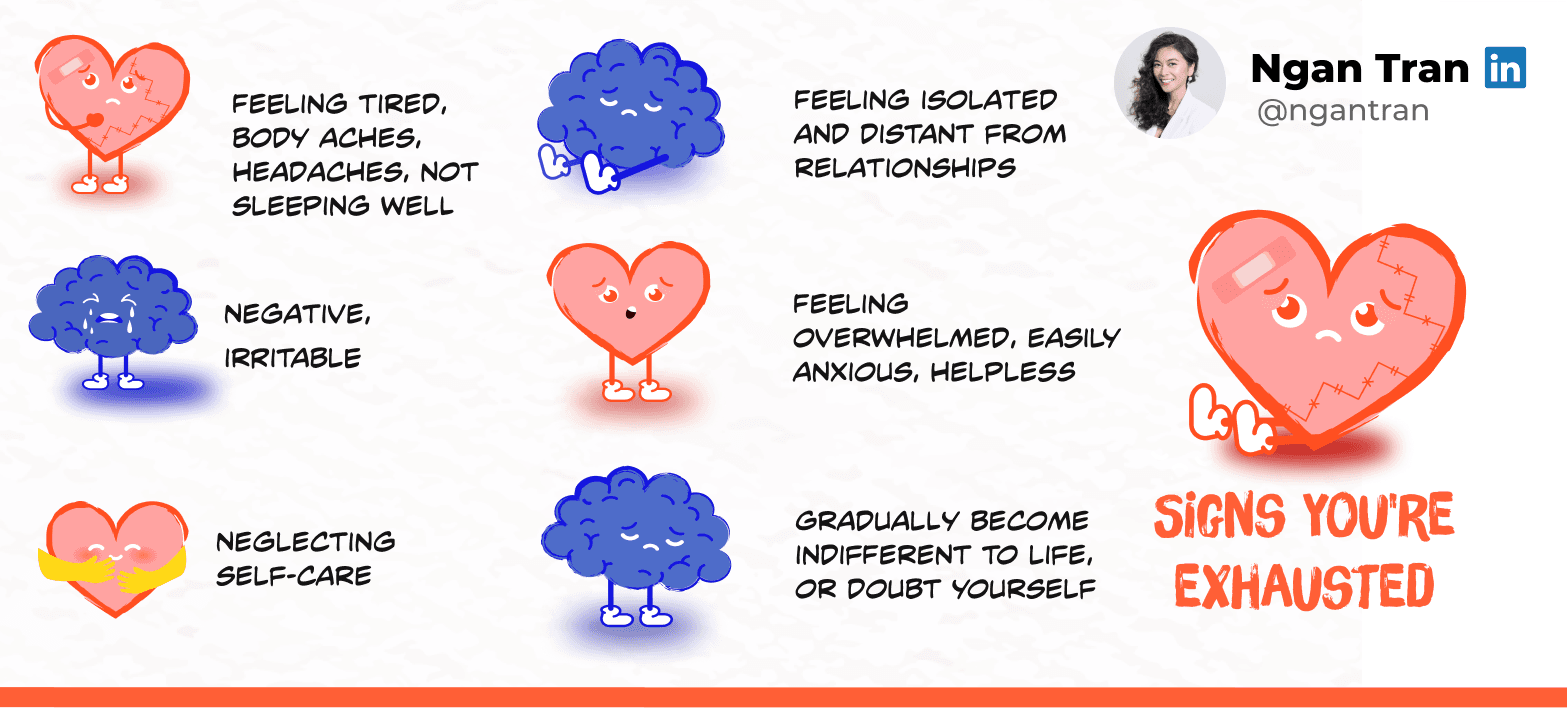
Burnout is recognized by the World Health Organization (WHO) as an “occupational phenomenon,” characterized by physical and emotional exhaustion due to prolonged stress. Some symptoms include:
1720629466347.png
Is this common? Absolutely, and it’s increasing. According to Mercer’s 2024 Global Talent Trends report, over 80% of employees are at risk of burnout this year. If you’ve experienced this, you know how it can devastate your physical health, mental well-being, work, and life.
So how do we escape this cycle?

Burnout is More Than Just Physical

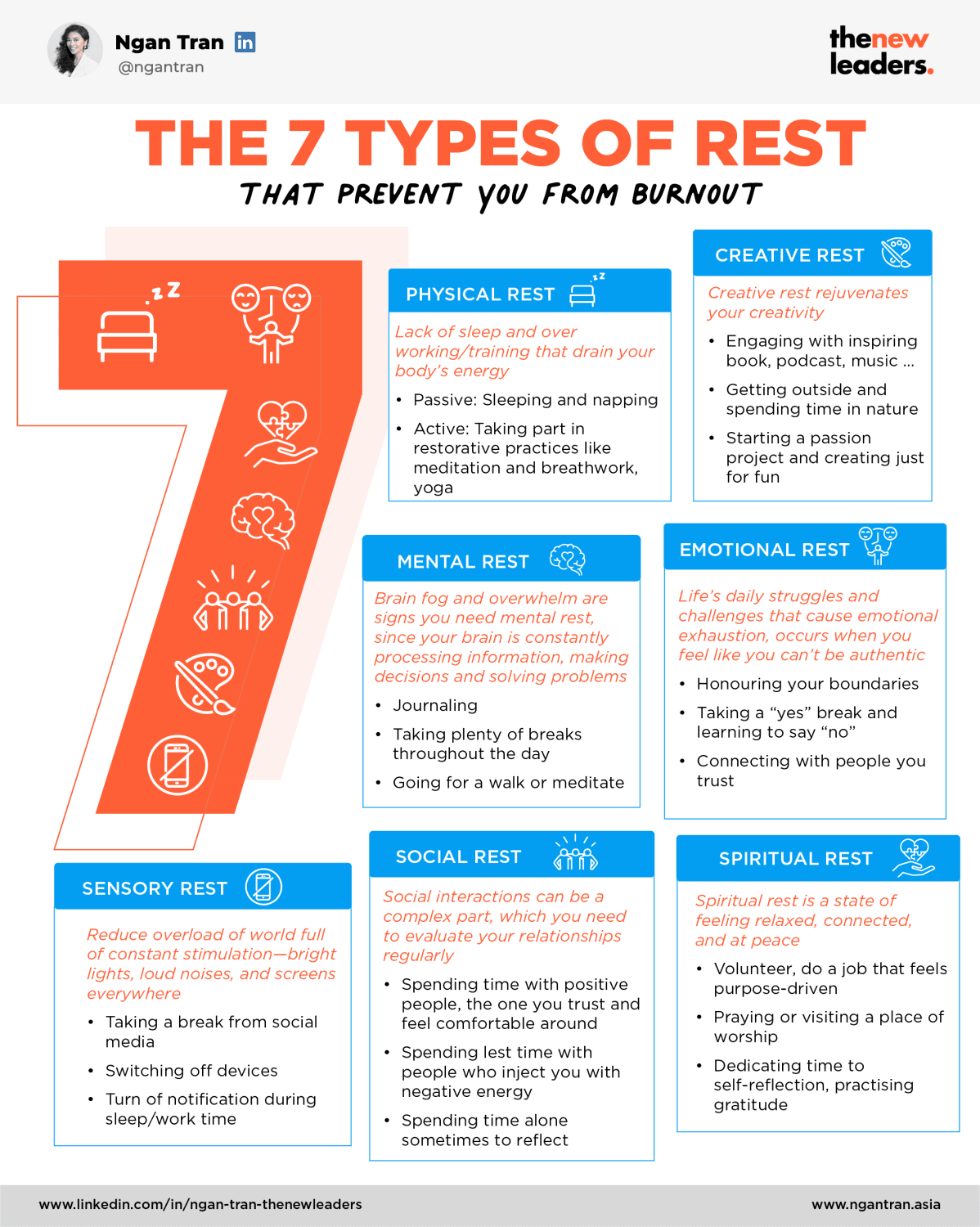
When you’re tired, you rest, right? But did you know that physical rest is just one of many types of rest humans need?
Consider these seven types of rest, each addressing a different need. Identify which signs resonate with you and how you might improve:
1720629494616.png
Now, try to “diagnose” yourself—what aspect have you neglected in your self-care?
Rest and Often Forgotten Factors

#1: Emotional Rest.

Emotional exhaustion is a common “disease” among leaders. You strive to appear strong and energetic because others look up to you, but over time, this leaves you drained. Think differently. Share and express your true difficulties and feelings more often to build genuine connections with colleagues and those around you. You won’t need to “muscle through” alone.

#2: Social Rest.

Daily interactions with many people can be draining, especially for introverts. What’s the solution? Isolating yourself from crowds isn’t sustainable. Create meaningful connections that bring positive energy even in the workplace. Practicing empathy and listening more can lead to authentic relationships that support you during stressful times.

#3: Mental Rest.

Do you ever feel like your daily routine lacks purpose? People with a clear sense of purpose live longer and happier lives. Without it, you may feel lost and gradually lose energy and enthusiasm. Finding and connecting your work’s values to your life and inspiring your team can be a long journey but is crucial. This sense of purpose can be your greatest energy source, supporting you through all seven aspects of rest.
Resting isn’t just about sleeping or taking a vacation. Don’t fall into the trap of seeming rest but feeling even more exhausted.

—

Discover Your Inner Leadership Skills with Emotional Intelligence

Are you ready to unlock your true potential and lead with confidence? Join me, Ngan Tran and The New Leaders, as we guide you through the journey of discovering and harnessing your core values using the power of Emotional Intelligence (EQ).

With my background in the Harvard Executive Leadership Program and a Master’s in Executive Leadership Coaching, I specialize in EQ leadership training, communication, and effective leadership development. I’m dedicated to helping you achieve personal and professional excellence.

Let’s embark on this transformative journey together! Shall we?

Get weekly EQ tips to boost your career

Understanding Emotions and Behavior of Others

Không đơn thuần là một cuốn sách, ebook Chuyện Về Thấu Cảm…

Understanding Emotions and Behavior of Others

By Ngan Tran – The New Leaders

The thoughts, actions, and emotions of others are very difficult to predict. The way we infer about others is often inaccurate based on what we see. This greatly affects communication and relationship building.

Understanding Others Through Listening Skill

In EQ, listening skill is an extremely effective method to understand the other person and grasp the root of the issue.

Your Listening Ability Might Not Be as Good as You Think!

According to research by the American Medical Association, doctors often interrupt patients after just 23 seconds, while on average it only takes 92 seconds for us to complete conveying an idea, but they still can’t wait to hear it all.

Just 23 Seconds!!

NO.73E-6.png

We often misunderstand the true meaning of active listening. Check out my short video on the significance of listening.
Click here! 😉

How to Listen Better?

In one minute, our ears can hear 125 – 150 words while our brain thinks about 1000 – 3000 words (according to Yale Center for Emotional Intelligence).

It’s easy to understand that we often lose focus and don’t really listen. To develop listening skills, we need to learn to:

  • Focus on listening without judging
  • Focus on important points about behavior and emotions
  • Observe body language and facial expressions while listening
  • Communicate on the same emotional frequency as the listener
  • Ask questions to open up and understand more about their thoughts, feelings, and issues
  • Know what to absolutely avoid when listening in communication

Discover Your Inner Leadership Skills with Emotional Intelligence

Are you ready to unlock your true potential and lead with confidence? Join me, Ngan Tran and The New Leaders, as we guide you through the journey of discovering and harnessing your core values using the power of Emotional Intelligence (EQ).

With my background in the Harvard Executive Leadership Program and a Master’s in Executive Leadership Coaching, I specialize in EQ leadership training, communication, and effective leadership development. I’m dedicated to helping you achieve personal and professional excellence.

Let’s embark on this transformative journey together! Shall we?

Get weekly EQ tips to boost your career